
Get Your Ears Cleared — This Week
Licensed audiologist. Safe removal. Immediate relief. Ekho Audiology in Bend, OR.
Earwax, or cerumen, is your ear's natural defense against dust, dirt, and bacteria. Most of the time it works its way out on its own. Occasionally it builds up faster than your ear can clear it, blocking the canal and causing muffled sound, pressure, or an earache that doesn't go away. When that happens, the fix is usually quick — and the relief is immediate.
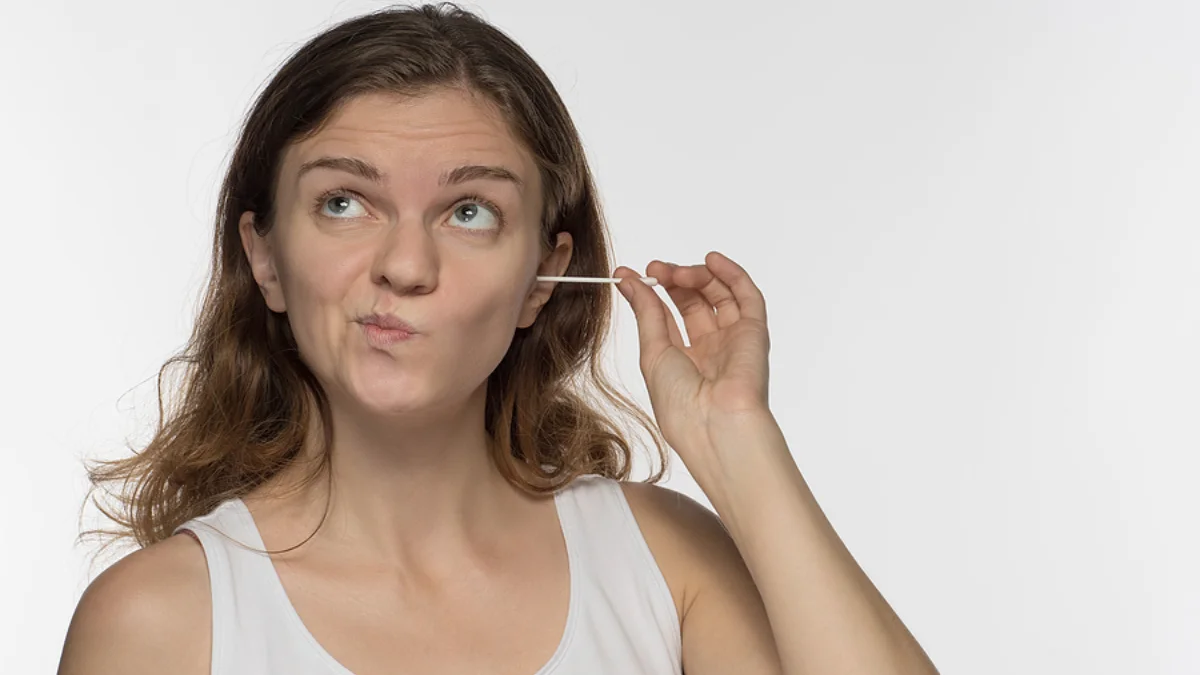
Home cleaning tools tend to make things worse. Cotton swabs are the most common culprit. Instead of removing wax, they push it deeper into the canal, compacting it against the eardrum and making professional removal more involved than it needed to be.
This page is for two groups of people. The first is anyone dealing with a blocked feeling, reduced hearing, or ear discomfort who wants it resolved properly. The second is hearing aid wearers — and anyone who uses earbuds regularly — for whom wax removal is part of routine device maintenance. Even a small amount of wax can clog a microphone port or block a tube, reducing device performance noticeably.
At Ekho Audiology, every appointment starts with a visual exam. The audiologist confirms what's present before touching anything, then chooses the safest removal method — low-pressure suction, warm water irrigation, or a small curette. Most patients leave feeling noticeably better.
Signs You May Have a Buildup
Common symptoms of an earwax blockage include earache, a sensation of fullness or pressure, muffled hearing, ringing in the ear, and difficulty following conversation — especially in noisy settings. These symptoms can appear gradually as wax accumulates, so it's easy to dismiss them at first. If any of these sound familiar, a simple exam can tell you whether wax is the cause and whether a cleaning will help.
Can Wax Actually Affect Your Hearing?
Yes, and the effect can be significant. A blocked ear canal prevents sound from traveling through properly — a form of conductive hearing loss that is usually temporary. In most cases, hearing returns to normal as soon as the wax is cleared. For hearing aid users, the impact shows up differently. Wax clogs microphone ports and tubing, reducing output and distorting sound in ways that can look like a device malfunction. Routine cleaning keeps your hearing and your devices performing the way they should.
What the Removal Process Looks Like
Every appointment begins with a lighted exam so the audiologist can see exactly what's in the canal before choosing how to address it. Depending on the location and consistency of the wax, the appropriate method may be low-pressure suction, gentle irrigation with warm water, or careful use of a small curette. All three methods are performed by a licensed professional using tools designed for the ear. The process is comfortable, and most patients feel relief before they leave.
Who Benefits From Regular Cleanings
Some ears produce more wax than others, and some lifestyles accelerate buildup. Hearing aid and earbud users, people who work in dusty or debris-heavy environments, frequent swimmers, and those with narrow or curved canals often benefit from scheduled cleanings rather than waiting for symptoms. A brief conversation at your appointment can help you figure out the right interval for your ears specifically.
What to Skip Before Your Appointment
Cotton swabs belong on the outer ear only — inserting them into the canal compacts wax and can injure the canal wall or eardrum. Ear candles have no clinical evidence of effectiveness and carry burn and blockage risks. If you've tried an over-the-counter softening drop and it hasn't resolved the problem, that's a clear sign professional removal is the right next step. Come in as-is; the audiologist has seen every variety of buildup and will take care of it.
A blocked ear canal is one of the most common and most correctable causes of temporary hearing loss — and at Ekho Audiology, a licensed audiologist examines your ear before anything else, so the right method is used every time.
Common Questions
How do I know if wax is causing my hearing loss?
Is earwax removal painful?
My hearing aids stopped working well. Could wax be the problem?
Is it safe for children to have earwax removed professionally?
How often should I have my ears cleaned?
Every plan starts with a diagnostic evaluation. Book a hearing evaluation in Bend.
Ears Blocked? Get It Sorted This Week.
If your ears feel blocked, your hearing has gone muffled, or your hearing aids aren't performing the way they should, a licensed audiologist at Ekho Audiology in Bend, OR can examine your ears and clear the problem — usually in a single visit. Most appointments are straightforward and quick. Relief is typically the same day. Serving Bend, OR and Central Oregon.