

Protect the hearing you have now — before it's gone
Custom-fit protection for Bend's workers, riders, musicians, and Hayden Homes regulars — prescribed by a board-certified audiologist.
Noise-induced hearing loss is permanent, progressive, and largely preventable. Custom-molded protection seals reliably, stays put, and filters the right frequencies — not just everything at once.
- Occupational & recreational users — construction, law enforcement, motorcyclists, hunters, snowmobilers
- Musicians & performers — even volume reduction across frequencies so music still sounds like music
- Concertgoers — including Hayden Homes Amphitheater, where level depends entirely on where you're standing
Full detail on each group, how the fitting works, and what the research says is below.
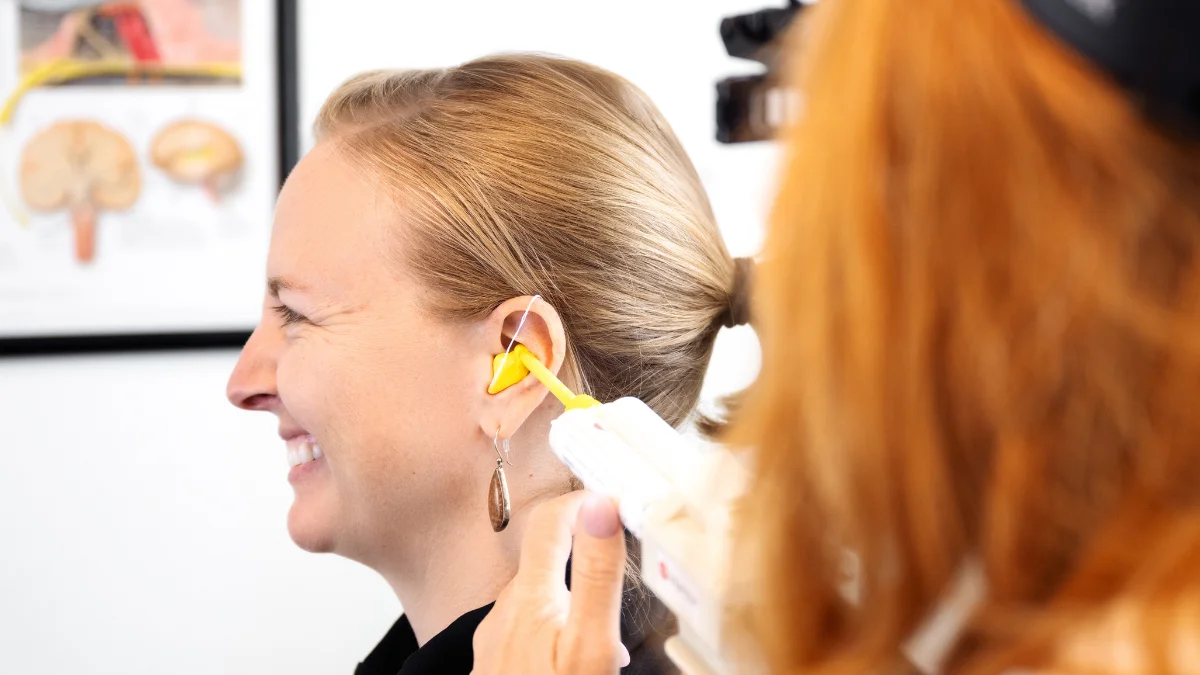
Noise-induced hearing loss: what you need to know
More than 15 percent of Americans live with irreversible noise-induced hearing loss. It can happen in a single intense exposure or build silently over years of moderate but repeated noise — and it can affect one ear or both. Temporary ringing or muffled hearing after a loud event is your auditory system telling you it was stressed. Ignore that signal enough times and the damage stops being temporary. The single most important fact about noise-induced hearing loss is that it is, in the vast majority of cases, entirely preventable.
Who needs custom protection — and why off-the-shelf falls short
If you work in construction, law enforcement, landscaping, or any environment with sustained loud machinery, generic foam plugs are a stopgap at best. They compress inconsistently, loosen over a shift, and either over-block or under-block depending on the fit that day. Motorcyclists and snowmobilers deal with sustained wind noise that adds up fast over hours on a trail. Hunters face a different problem: a single gunshot exceeds safe exposure limits instantly, and standard protection interferes with hearing game or a partner's voice. Custom solutions can address each of these specifically, which is exactly why one product doesn't fit every situation.
Musicians, concertgoers, and the Hayden Homes Amphitheater problem
Musicians — whether performing on stage or playing at home — need to hear themselves and the room clearly. Standard earplugs destroy that. Musician's earplugs are designed to reduce volume evenly across frequencies so the music retains its character, and in-ear monitor solutions let performers control what they're hearing directly. For concertgoers, this matters too: sound levels at an outdoor venue like Hayden Homes Amphitheater in Bend vary significantly depending on where you're standing, and exposure adds up across a full set. The goal is simple — walk out of the show with no ringing that night or the next morning.
Everyday habits that make a real difference
Custom protection is the most effective tool, but daily habits support it. Taking regular breaks from loud environments gives your auditory system time to recover between exposures. Keeping the volume on personal audio devices at a level where you can still hear someone speaking nearby is a practical rule of thumb. And when loud exposure isn't required — skip it. Protecting your hearing is mostly about consistent decisions, not single heroic ones.
A free tool worth knowing: the NIOSH Sound Level Meter app
The National Institute for Occupational Safety and Health offers a free Sound Level Meter app for iOS that uses your phone's microphone to give you a real-time decibel reading wherever you are. It's a useful way to get a quick sense of your environment — at work, in a venue, or at home with power tools. It approximates; it does not replace calibrated professional instruments or an audiologist's assessment. But it's a reasonable first step toward understanding when your environment is asking more of your ears than is safe. NIOSH Sound Level Meter
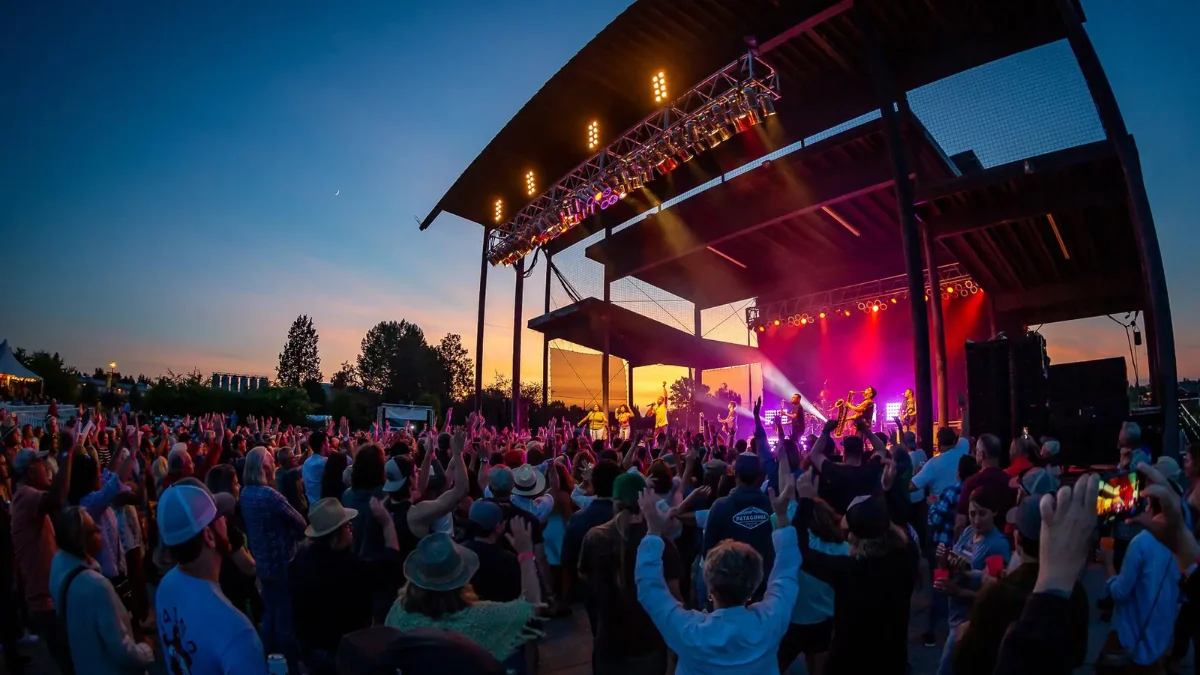
Noise-induced hearing loss is largely irreversible — and largely preventable. Custom-fit protection, prescribed by a board-certified audiologist, is the most reliable way to keep your hearing intact for the long run.
Common Questions
How is custom hearing protection different from what I can buy at a hardware store or pharmacy?
What happens during the fitting appointment?
I already have some hearing loss. Is it too late to bother with protection?
Can musician's earplugs really let me hear music clearly while still protecting my ears?
How loud is too loud, and how do I know when I'm in a risky environment?
Do you serve people from outside of Bend?
Schedule your custom fitting at Ekho Audiology
One appointment. Impressions taken in minutes. Protection built precisely for your ears, your environment, and the way you actually live — whether that's a jobsite, a trail, or the lawn at Hayden Homes.