

Hearing aids gave me years. Then they gave me all they had.
Dr. Anderson is a bilateral cochlear implant recipient and Doctor of Audiology. She has been exactly where you are.
For a long time, hearing aids were enough. Dr. Anderson wore them for years and built a life around the amplification they provided. Then no adjustment, upgrade, or new technology could close the distance between what she was hearing and what was being said. She chose cochlear implants, a decision she describes as transformative. The implants did not fix her hearing, but they gave her access to sound that hearing aids could no longer provide.
At Ekho Audiology in Bend, OR and Central Oregon, Dr. Anderson walks adults and families through every stage of the cochlear implant process: candidacy evaluation, what to realistically expect before and after surgery, and the ongoing support that makes good outcomes possible. If you are wondering whether you have reached the point where hearing aids stop being enough, or you are a parent trying to understand what implants could mean for your child, this is a conversation worth having with someone who has been exactly where you are.
What is a cochlear implant?
A cochlear implant is an electronic medical device that restores the ability to perceive sound and understand speech. It is often the answer when hearing aids are no longer providing meaningful benefit. Unlike a hearing aid, which amplifies sound, an implant works by bypassing damaged parts of the inner ear entirely and stimulating the auditory nerve directly.
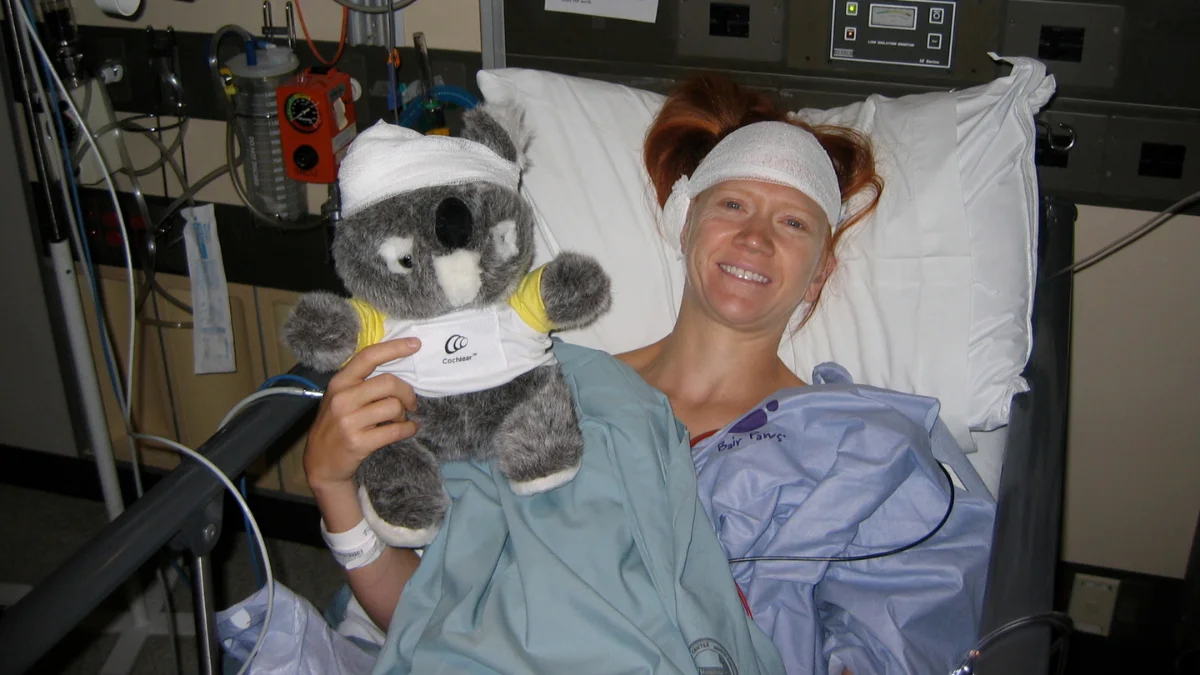
Will a cochlear implant restore normal hearing?
No — and this is important to say plainly. A cochlear implant provides access to sound, including speech, but it does not fix hearing loss or return hearing to what it once was. With consistent aural habilitation, which is a structured form of listening therapy, and sustained practice, many users develop the ability to understand spoken language far more clearly than they could with hearing aids. The goal is meaningful access to sound, not the elimination of hearing loss. Practices that say otherwise are not being straight with you — and patients remember the ones that are.
Who can benefit?
Cochlear implants can benefit adults and children who learned to speak before losing hearing, or who previously had normal or partial hearing and have experienced significant decline. For a child born deaf or deafened before developing spoken language, implants provide access to sound that maximizes language potential during critical developmental windows. In all cases, a shorter duration of deafness before implantation is associated with greater potential benefit.
The parts of a cochlear implant
The system has two groups of components. External: a microphone picks up sound, a speech processor converts it into digital signals, and a transmitter coil sends those signals across the skin using radio frequency — worn behind the ear or on the body. Internal: a surgically placed receiver captures the incoming signal and passes it to an electrode array positioned inside the cochlea, where it stimulates the auditory nerve directly.
How it works
The cochlea, the spiral structure of the inner ear, normally converts sound vibrations into electrical signals the auditory nerve can carry to the brain. When the hair cells inside the cochlea are damaged, that conversion breaks down. A cochlear implant bypasses those damaged cells entirely, placing electrodes along the cochlea that stimulate the auditory nerve directly. The brain learns, over time, to interpret those signals as sound.
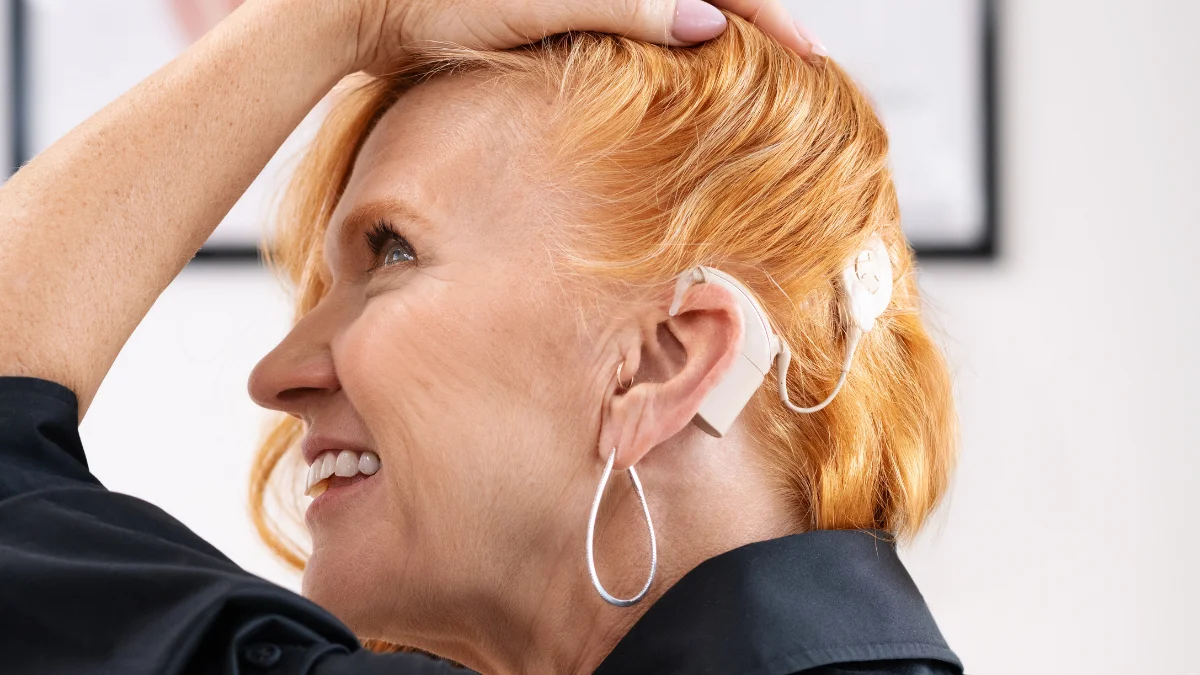
Dr. Anderson has been a bilateral cochlear implant recipient for years. When she tells you what to expect from this process, she is speaking from the inside — not as a clinician who has read the outcomes, but as a patient who has experienced them firsthand.
Common Questions
How do I know if I am a candidate for a cochlear implant?
My child was born deaf. Is it too early to consider implants?
What does the process look like after I call?
What is aural habilitation and why does it matter?
I have been told my hearing loss is too severe for hearing aids. Does that mean I am automatically a candidate for implants?
The next step starts with a conversation.
Schedule a visit to talk with Dr. Anderson. Whether you are an adult who has reached the edge of what hearing aids can do, or a parent trying to understand what implants could mean for your child, the conversation starts here. Serving Bend, OR and Central Oregon.